

Ask three facilities managers why they picked a painting contractor and at least one will tell you, with something close to pride, that they went with the lowest number on the desk. It sounds like disciplined stewardship of a budget. In practice it is often the most expensive decision on the whole project, and the bill just arrives later.
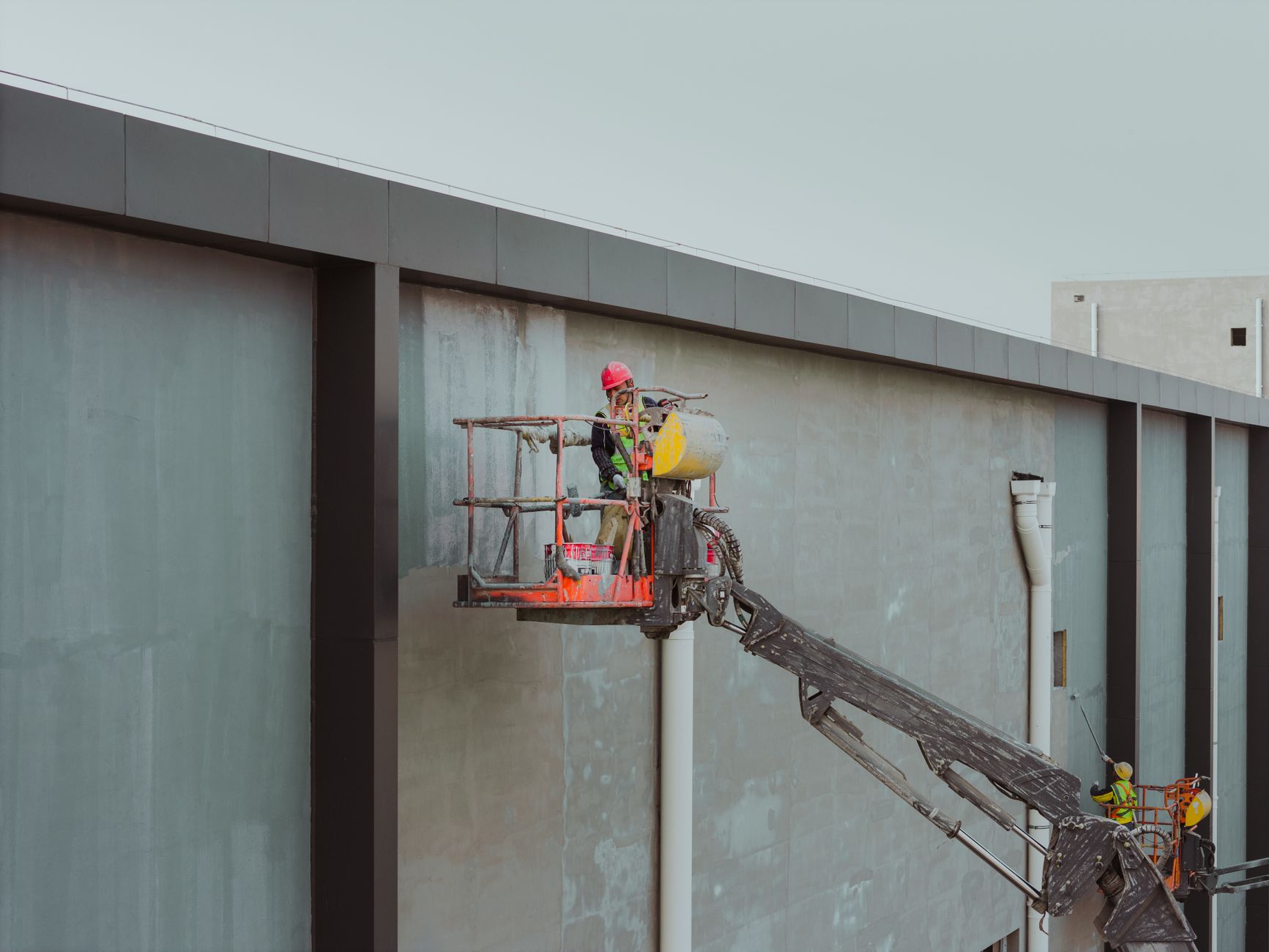
The trouble is that a painting quote looks like a comparison of identical products at different prices. It almost never is. Two proposals for the same building can differ by 40 percent not because one company is greedy but because they are describing two entirely different amounts of work.
Why the lowest bid keeps winning the wrong contracts
Low bids win because the decision usually gets made on a spreadsheet, and a spreadsheet flattens everything into one comparable column: dollars. Scope, prep, coating grade, and crew experience don’t fit neatly into a cell, so they quietly drop out of the conversation. The contractor who priced the job honestly ends up looking overpriced next to one who left half the necessary work unstated. The number wins; the reasoning behind it never gets examined.
What a quote conveniently leaves out
Read a thin quote closely and it’s the omissions that talk. There’s no line for pressure washing, no mention of how many coats, no specification of the product, no note about repairing failed caulking or replacing rotted trim. A price that assumes the surface is already perfect is a price for a building that doesn’t exist. Everything left unwritten becomes a change order later, or worse, simply gets skipped.
Surface prep is where corners actually get cut
Prep is invisible once the paint dries, which is exactly why it’s the first thing to disappear when a contractor is squeezing a bid. Scraping, sanding, cleaning, priming bare spots, sealing gaps — this is unglamorous labour that no client ever admires. Yet adhesion depends almost entirely on it. A premium coating applied over a dirty, chalky, or peeling surface will fail nearly as fast as a cheap one. When two quotes diverge sharply, the gap is usually hiding in the hours nobody wants to pay for.
The hidden math of repainting three years early
A coating that should last a decade but fails in three doesn’t just cost you a second paint job. It costs you the scaffolding again, the site disruption again, the tenant complaints again, and the management time again. Spread that repeat over the years you were supposed to get, and the “cheap” job frequently ends up costing more per year of service than the quote you rejected. Cost divided by lifespan is the only comparison that means anything.
When a premium coating pays for itself in Mississauga weather
Freeze-thaw cycles, road salt, humid summers, and hard UV all attack an exterior finish differently, and a budget product built to survive a mild climate simply won’t hold up to that punishment. A higher-grade coating with proper flexibility and moisture resistance costs more upfront and then earns it back by refusing to crack, blister, or fade on schedule. For readers weighing local contractors, more information is available at https://www.go2blog.com/2026/06/exterior-commercial-painting-mississauga-7-tips-on-choosing-a-company/, which is worth reading before signatures get exchanged.
Warranties that mean something versus warranties that don’t
A long warranty printed on a proposal is not the same as protection. Ask what it actually covers, who honours it, and what voids it. Many warranties exclude the exact failures that prep shortcuts cause, or evaporate the moment the company changes its name. A shorter, clearly written guarantee backed by a firm with a track record is worth more than an impressive-sounding one nobody intends to stand behind.
How seasoned buyers read a proposal differently
Experienced buyers don’t scan for the smallest total. They look for specificity: named products, coat counts, prep steps, timelines, and clear exclusions. A detailed proposal signals a contractor who has thought the job through and expects to be held to it. A vague one signals someone hoping you won’t ask. The most useful question isn’t “what does it cost” but “what am I actually getting for that.”
Reframing cost as a long-term building investment
A commercial exterior is part of the asset, not a recurring nuisance expense. Treated that way, the goal shifts from paying the least this year to spending sensibly across the coating’s full life. The contractor who charges more to do it once, properly, is usually the one protecting your budget — you just don’t see the savings until the years the cheap job would have failed pass quietly without incident.